Septic Systems 101: Understanding the Basics for New Homeowners Jan 08, 2026
Septic systems are an essential part of properties that are not connected to a municipal sewer system. They consist of two main components: the septic tank and the drain field. Together, they treat and dispose of household wastewater safely. But how exactly do these components work, and what do homeowners need to know about maintaining them?
The septic tank is the first point of contact for wastewater. This underground, watertight container is designed to hold wastewater long enough for solids to settle at the bottom, forming sludge, while oil and grease float to the top as scum. The tank's capacity to separate these elements is vital because if solids overflow into the drain field, it can lead to system failures and environmental hazards.
Once wastewater exits the septic tank, it travels to the drain field, also known as the leach field. This is where liquid waste, now mostly free of solids, is naturally filtered through soil which removes harmful bacteria, viruses, and nutrients. Understanding that the effectiveness of this process relies heavily on your septic tank's performance underlines the importance of regular maintenance.
Many new homeowners might wonder how frequently they need to service their septic systems. While the general recommendation is to have your tank inspected every one to three years, and pumped every three to five years, these frequencies can vary based on household size, tank capacity, and whether you use a garbage disposal. Overuse of disposals can lead to a faster buildup of solids, necessitating more frequent pumping.
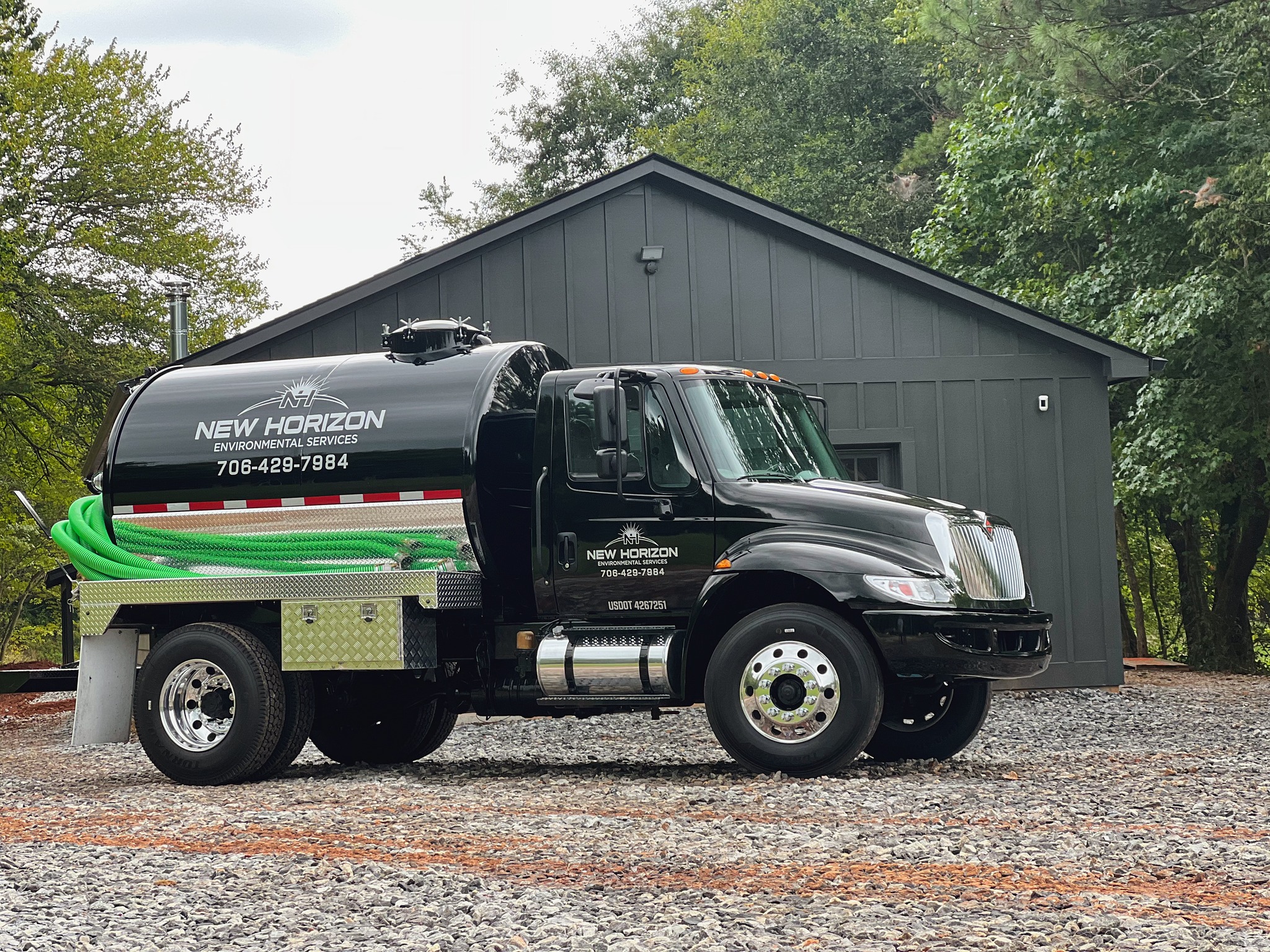
At New Horizon Environmental Services, we often emphasize the importance of being mindful about what goes down your drains. Avoid flushing non-biodegradable items, such as wipes, diapers, and sanitary products, as these can quickly lead to blockages. Similarly, refrain from pouring cooking oil, grease, and harsh chemicals down the sink as they can disrupt the bacteria essential for breaking down waste.
For a septic system to function optimally, the drain field must also be handled with care. Avoid planting trees or shrubs near the system to prevent roots from interfering with pipes. Additionally, do not drive or park vehicles on the drain field to avoid compacting the soil, which is critical for proper filtration.
In summary, understanding the basics of septic systems equips homeowners with the knowledge to maintain their system effectively. Regular inspections and mindful usage not only extend the life of your septic system but also protect your investment and ensure the safety of your household. Being proactive can prevent costly repairs and contribute positively to environmental preservation.
At New Horizon Environmental Services, we are dedicated to assisting new homeowners in becoming confident caretakers of their septic systems. Whether you need a routine inspection or have questions about maintenance, our team of experts is here to help. Remember, a well-cared-for septic system is a foundation for a healthy, happy home.
/filters:no_upscale()/filters:format(webp)/media/f1b493ba-460f-4fbd-8c58-8747b128f420.jpeg)
/filters:no_upscale()/filters:format(webp)/media/4a02f1d5-29c6-491e-9807-2aee54d957fc.jpeg)